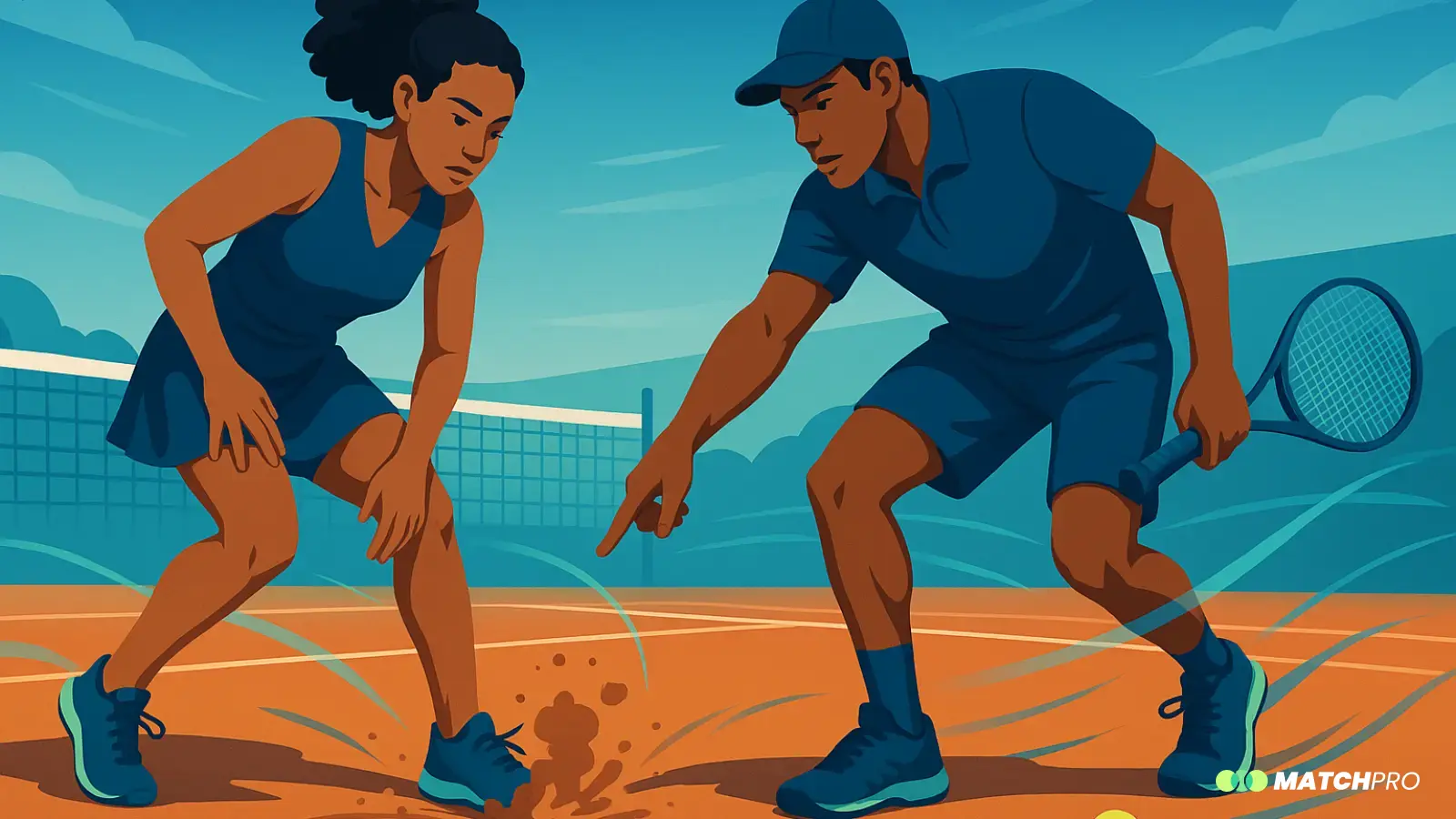
Understanding Clay Court Surfaces
Clay courts are a popular choice for many tennis players due to their unique characteristics. These courts are made from crushed shale, stone, or brick, and they offer a slower playing surface compared to grass or hard courts. This slower pace can be beneficial for beginners, as it allows more time to react to shots. However, clay courts also present unique challenges, particularly when it comes to traction and stability.
The Importance of Traction
Traction refers to the grip your shoes have on the court surface. On clay courts, maintaining good traction is crucial for effective movement and preventing injuries. Poor traction can lead to excessive sliding, which might cause you to lose balance and control during play.
Common Traction Issues on Clay Courts
-
Excessive Sliding: Sliding is a natural part of playing on clay, but excessive sliding can indicate traction problems. If you find yourself sliding too much, it may be due to worn-out shoes or improper technique.
-
Uneven Surface: Clay courts can become uneven over time, especially with frequent use. This unevenness can affect your footing and lead to traction issues.
-
Moisture Levels: Clay courts can become slippery when wet. If the court is too damp, it can significantly reduce traction, making it difficult to maintain stability.
Tips for Improving Traction on Clay Courts
Choose the Right Footwear
Investing in a good pair of tennis shoes designed for clay courts can make a significant difference. These shoes typically have a herringbone tread pattern that helps grip the surface better and allows for controlled sliding.
Maintain the Court Surface
If you have access to the court maintenance, ensure that the surface is regularly swept and watered appropriately. This helps keep the clay evenly distributed and at the right moisture level, which is essential for optimal traction.
Practice Proper Technique
Learning how to slide correctly can improve your game and reduce the risk of injury. When sliding, aim to do so in a controlled manner, using the slide to position yourself for the next shot rather than as a means of stopping abruptly.
Monitor Weather Conditions
Be aware of the weather conditions before playing. If rain is forecasted, it might be better to reschedule your game, as wet clay can be particularly challenging to play on.
Example Drills for Better Traction Control
Side-to-Side Sliding Drill
- Set up two cones about 10 feet apart on the clay court.
- Start at one cone and practice sliding to the other, focusing on maintaining control and balance.
- Repeat this drill several times to improve your sliding technique.
Stop-and-Go Drill
- Practice running towards a ball and stopping just before hitting it.
- Focus on using your slide to control your stop, rather than coming to an abrupt halt.
- This drill helps in understanding how to use sliding effectively to position yourself for shots.
Conclusion
Playing on clay courts can be a rewarding experience, offering a unique set of challenges and opportunities to improve your tennis skills. By understanding the common traction issues and implementing the tips and drills provided, beginners can enhance their stability and performance on clay surfaces. Remember, the key is to practice regularly and pay attention to both your equipment and the court conditions. With time and effort, you'll find yourself moving with confidence and ease on the clay court.