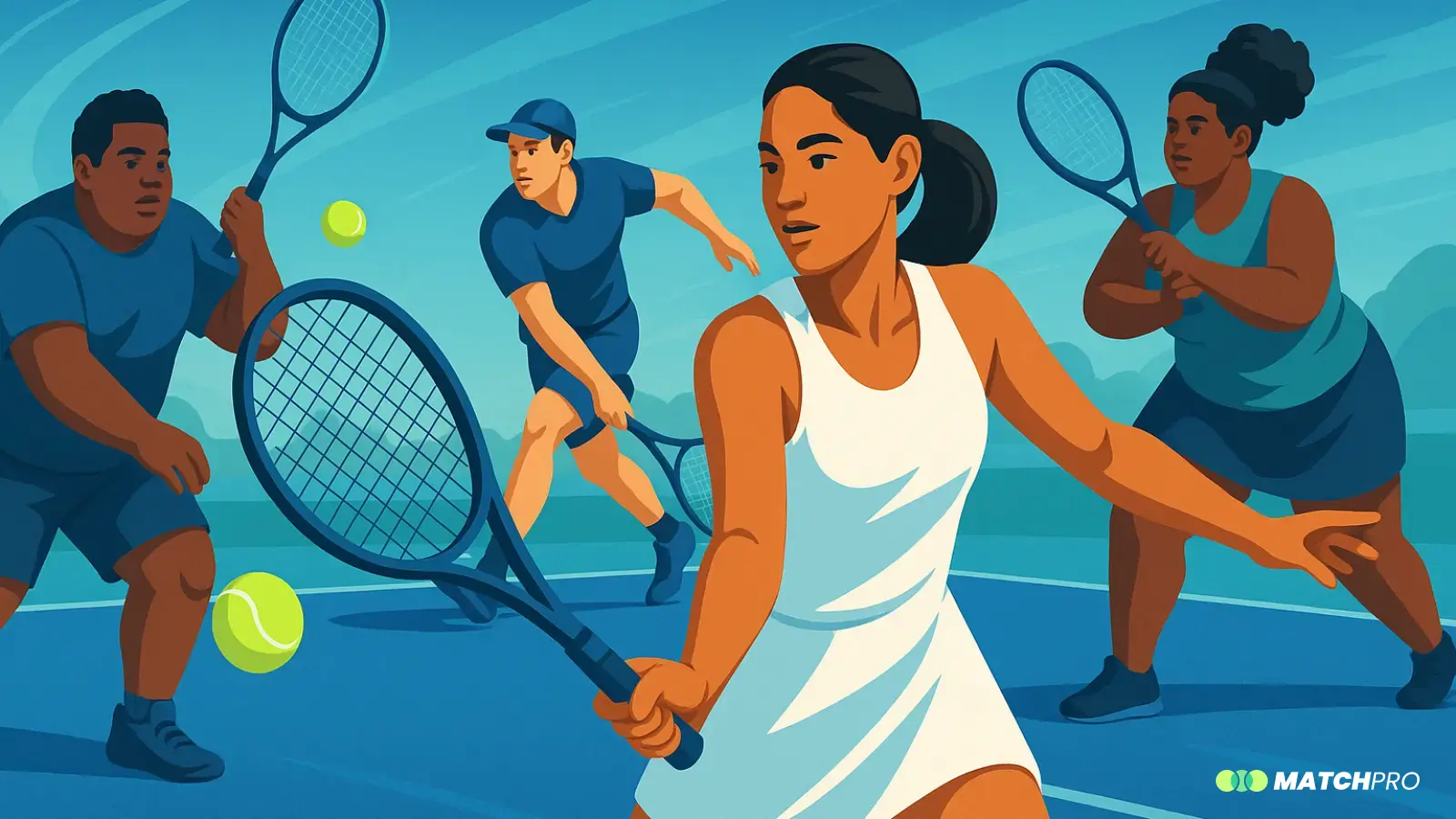
Understanding the Importance of Racquet Selection
In the world of tennis, the racquet is not just a tool; it is an extension of the player's body. For advanced players, selecting the right racquet can significantly impact performance, injury prevention, and overall enjoyment of the game. This guide delves into how your body type and biomechanics should influence your racquet selection.
The Role of Biomechanics in Tennis
Biomechanics refers to the study of the mechanical laws relating to the movement or structure of living organisms. In tennis, understanding biomechanics involves analyzing how your body moves during play, including swing mechanics, footwork, and body positioning. Advanced players often have refined techniques, but even subtle biomechanical nuances can affect racquet choice.
Key Biomechanical Considerations:
- Swing Speed and Style: Players with fast swings may benefit from a heavier racquet to harness control, while those with slower swings might prefer a lighter racquet for added power.
- Grip and Hand Size: Proper grip size is crucial. A grip that is too small or too large can lead to inefficient strokes and increase the risk of injury.
- Arm and Shoulder Mechanics: The weight and balance of a racquet can affect the strain on your arm and shoulder. Players with a history of injuries should consider racquets that offer more shock absorption.
Matching Racquet Characteristics to Body Type
Every player has a unique body type that can influence their playing style and racquet needs. Here’s how to align racquet characteristics with different body types:
Lean and Tall Players
- Recommendations: Opt for racquets with a larger head size and extended length to maximize reach and leverage.
- Example: A player like Daniil Medvedev, known for his height and reach, might choose a racquet that complements his ability to cover the court efficiently.
Muscular and Compact Players
- Recommendations: Consider a racquet with a smaller head size and more weight to control the power generated from a muscular build.
- Example: Rafael Nadal, with his powerful build, uses a racquet that allows him to control his heavy topspin shots.
Average Build Players
- Recommendations: A balanced racquet that offers a mix of power and control is ideal.
- Example: Players like Roger Federer have historically used racquets that provide a harmonious blend of power and precision.
Practical Tips for Racquet Selection
Demo Different Racquets
Before making a purchase, try out several racquets to see which one feels best during play. Many tennis shops offer demo programs.
Consult with a Professional
A tennis coach or a sports physiologist can provide insights based on your playing style and physical attributes.
Consider String Tension and Type
The type and tension of strings can also affect performance. Advanced players should experiment with different setups to find what complements their racquet choice.
Conclusion
Selecting the right racquet involves more than just picking one off the shelf. It requires a thoughtful consideration of your body type and biomechanics. By understanding these factors, advanced players can enhance their performance, reduce the risk of injury, and enjoy the game at a higher level. Remember, the right racquet is an investment in your tennis future.
By tailoring your racquet to your unique physical and biomechanical profile, you can unlock new levels of play and ensure that your equipment is working with you, not against you.