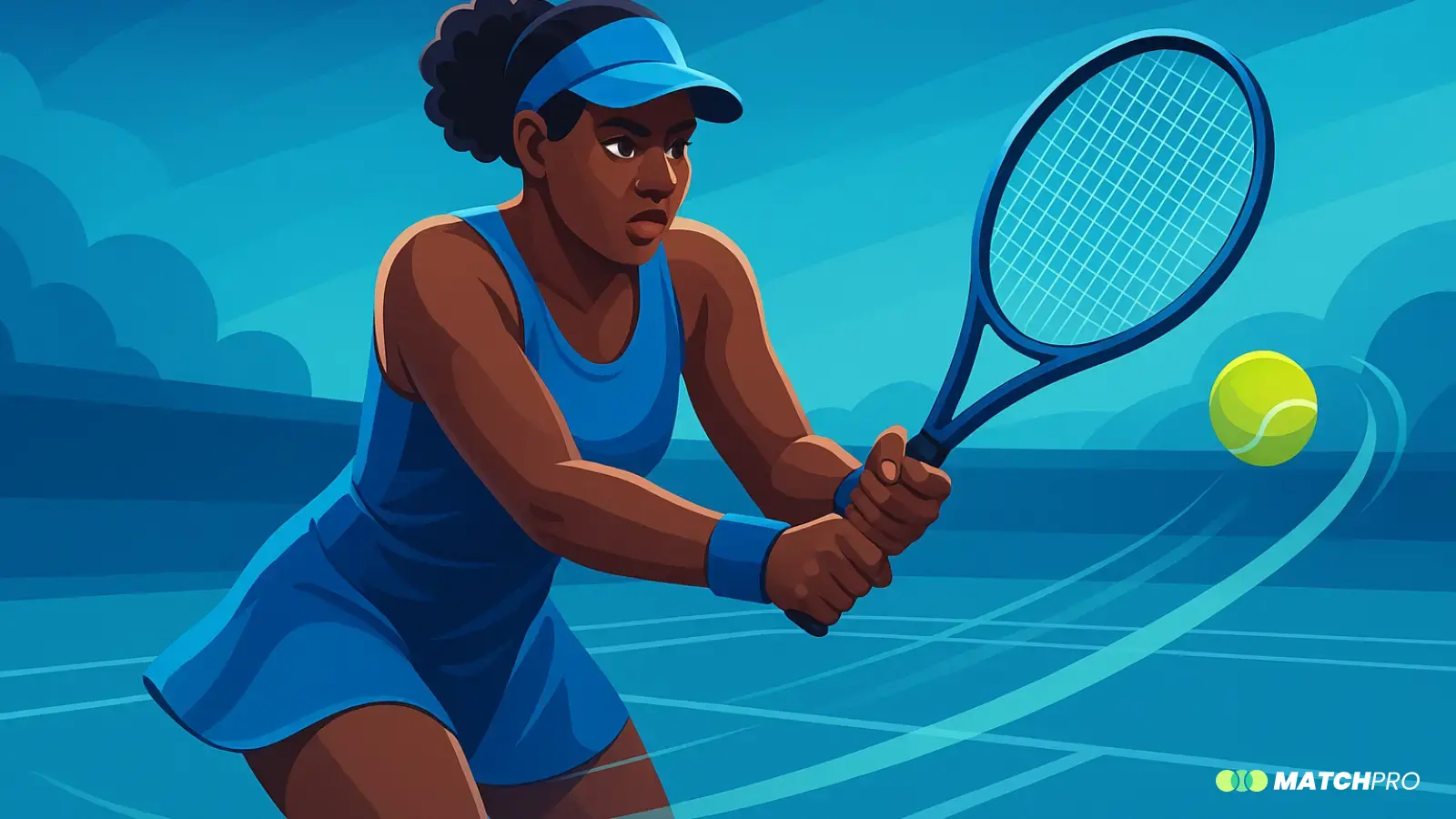
Understanding the Left-Handed Advantage
In the world of tennis, left-handed players, often referred to as 'southpaws', bring a unique dynamic to the court. Their natural playing style can create challenges for right-handed opponents who are less accustomed to facing left-handed spins and angles. This article delves into the techniques and strategies that left-handed players can utilize to master their backhand, a crucial component of their game.
The Unique Dynamics of Left-Handed Play
Left-handed players have a natural advantage due to the rarity of their playing style. Approximately 10% of the population is left-handed, which means that most players are more familiar with right-handed opponents. This unfamiliarity can be leveraged by left-handed players to create unexpected angles and spins.
For instance, a left-handed player's cross-court backhand naturally curves away from a right-handed opponent's forehand, often forcing them into uncomfortable positions. Understanding these dynamics is the first step in mastering the left-handed backhand.
Techniques for a Powerful Lefty Backhand
Gripping the Racket
The grip is the foundation of any effective backhand. For left-handed players, the Eastern Backhand Grip is often recommended. This grip allows for a balance of power and control, enabling players to generate topspin while maintaining precision.
To achieve this grip, place the base knuckle of your index finger on the top bevel of the racket handle. This position should feel natural and allow for a fluid swing motion.
Footwork and Positioning
Footwork is critical in executing a successful backhand. Left-handed players should focus on positioning their right foot slightly ahead of their left when preparing for a backhand shot. This stance provides stability and allows for a more powerful rotation of the hips and shoulders.
Practicing lateral movements and quick pivots can enhance your ability to reach wide shots and maintain balance during fast-paced rallies.
Swing Mechanics
The swing for a left-handed backhand should be smooth and controlled. Begin with the racket low and behind your body, then swing upwards and forward, brushing the back of the ball to impart topspin. The follow-through should be high, with the racket finishing over your right shoulder.
A common mistake is to over-rotate the shoulders, which can lead to loss of control. Focus on keeping your head steady and eyes on the ball throughout the swing.
Strategic Play for Left-Handed Players
Exploiting Opponent Weaknesses
Left-handed players can often exploit the backhand side of right-handed opponents, which is typically weaker. By consistently targeting this area with deep, angled shots, left-handers can force errors and create opportunities to dominate rallies.
Using the Slice Backhand
The slice backhand is an effective tool for left-handed players. It allows for a low, skidding ball that can disrupt an opponent's rhythm. This shot is particularly useful on grass and fast courts where the ball stays low.
To execute a slice, use a continental grip and focus on a downward chopping motion. The key is to keep the ball low and place it strategically to force your opponent into difficult positions.
Adapting to Different Surfaces
Left-handed players should adapt their backhand technique to different court surfaces. On clay, where topspin is more effective, focus on generating more spin and depth. On hard courts, aim for precision and placement to outmaneuver your opponent.
Conclusion
Mastering the left-handed backhand requires a combination of technical skill and strategic thinking. By understanding the unique advantages of being a left-handed player and honing specific techniques, you can elevate your game and become a formidable opponent on the court.
Remember, practice is key. Regularly incorporate these techniques into your training sessions, and over time, you'll notice significant improvements in your backhand performance.