Introduction
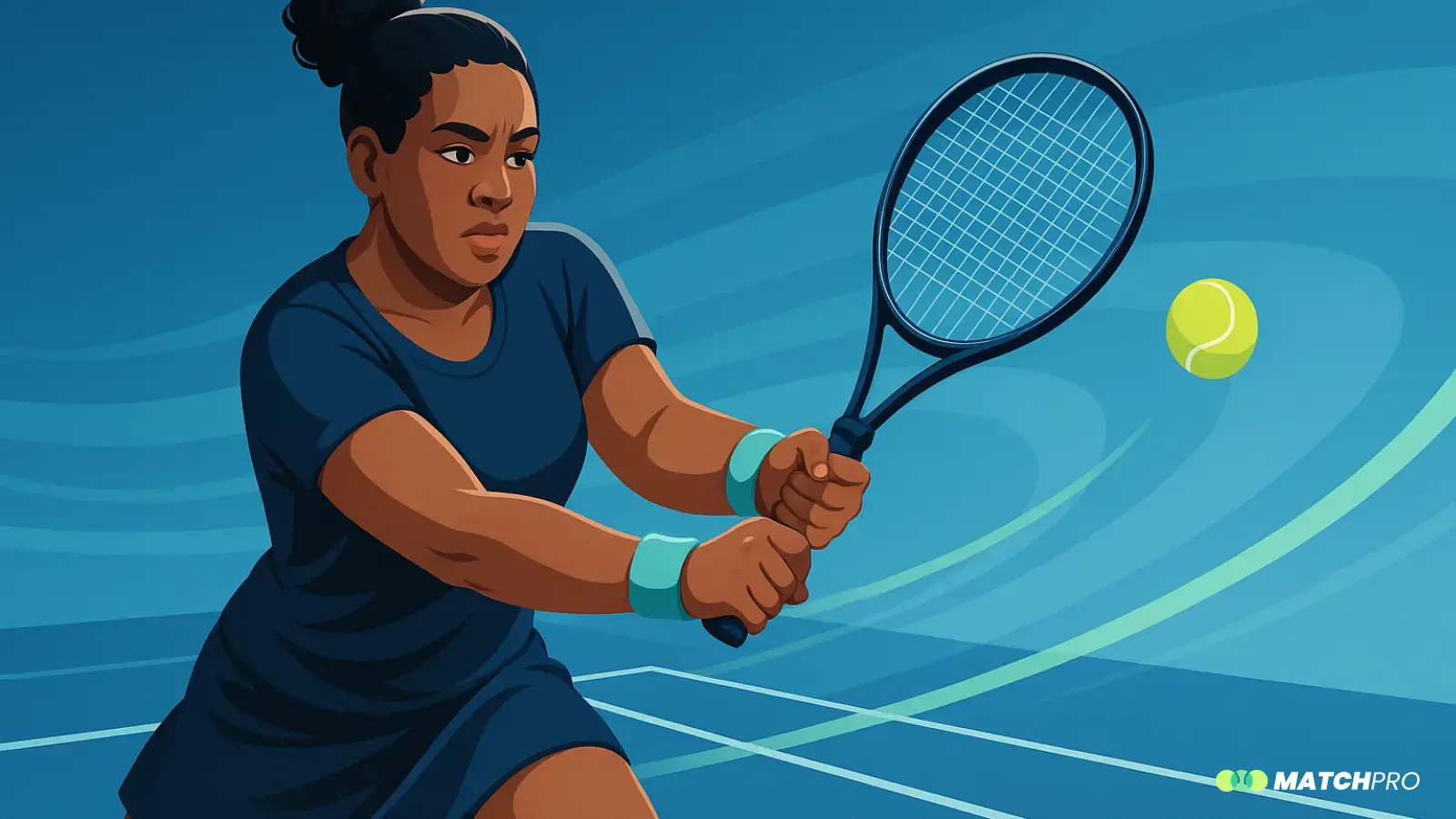
For many tennis enthusiasts, the backhand stroke can be a challenging aspect of their game, especially for those dealing with weak wrists. This guide aims to provide intermediate players with practical strategies to adapt their backhand technique, ensuring they can play effectively without exacerbating wrist issues.
Understanding the Biomechanics of the Backhand
The Role of the Wrist
In tennis, the wrist plays a crucial role in generating power and control during a backhand stroke. However, players with weak wrists often struggle to maintain stability and strength, leading to inconsistent shots and potential injury.
Common Challenges
Players with weak wrists may experience pain or discomfort when executing a backhand, particularly when trying to generate topspin or when hitting high-velocity shots. This can lead to compensatory movements that further strain the wrist and reduce overall performance.
Technical Adaptations for a Safer Backhand
Grip Adjustments
One of the simplest ways to alleviate wrist strain is by adjusting your grip. Consider using an Eastern or Semi-Western grip, which can help distribute the force more evenly across the hand and reduce the load on the wrist. Experiment with grip pressure as well; a looser grip can sometimes reduce tension and allow for more fluid motion.
Stance and Footwork
Proper stance and footwork are essential in reducing wrist strain. Ensure that your body weight is evenly distributed and that you are stepping into the shot with your non-dominant foot. This helps in transferring energy from the legs and core, rather than relying solely on the wrist and arm.
Swing Mechanics
Focus on using a compact swing to minimize unnecessary wrist movement. A shorter backswing can help maintain control and reduce the risk of overextension. Additionally, emphasize the use of your shoulder and torso rotation to generate power, rather than relying on wrist flicks.
Equipment Considerations
Racquet Selection
Choosing the right racquet can make a significant difference for players with weak wrists. Opt for a racquet with a larger head size and a lighter frame, which can help absorb shock and reduce the impact on your wrist. Additionally, consider using a racquet with a more flexible frame to further minimize vibrations.
String Tension
String tension can also affect how much strain is placed on your wrist. Lower string tension can provide more power and a softer feel, which can be beneficial for players with wrist issues. Experiment with different tensions to find the balance that works best for you.
Strengthening and Conditioning
Wrist Exercises
Incorporating wrist-strengthening exercises into your routine can help improve stability and reduce pain. Exercises such as wrist curls, reverse wrist curls, and wrist rotations can build strength over time. Always consult with a physiotherapist or coach to ensure exercises are performed correctly.
Overall Conditioning
Improving overall physical conditioning can also support your wrist health. Focus on building strength in your forearms, shoulders, and core, as these areas contribute to the power and stability of your backhand.
Conclusion
Adapting your backhand technique to accommodate weak wrists is not only possible but can lead to improved performance and enjoyment of the game. By making thoughtful adjustments to your grip, stance, swing mechanics, and equipment, you can play with confidence and reduce the risk of injury. Remember, consistency and patience are key, and consulting with a coach or physiotherapist can provide additional personalized guidance.
Final Thoughts
Tennis is a sport that requires both physical and mental resilience. By understanding and respecting your body's limitations, you can continue to enjoy the game while minimizing discomfort. Keep practicing, stay informed, and most importantly, have fun on the court!